Interesting
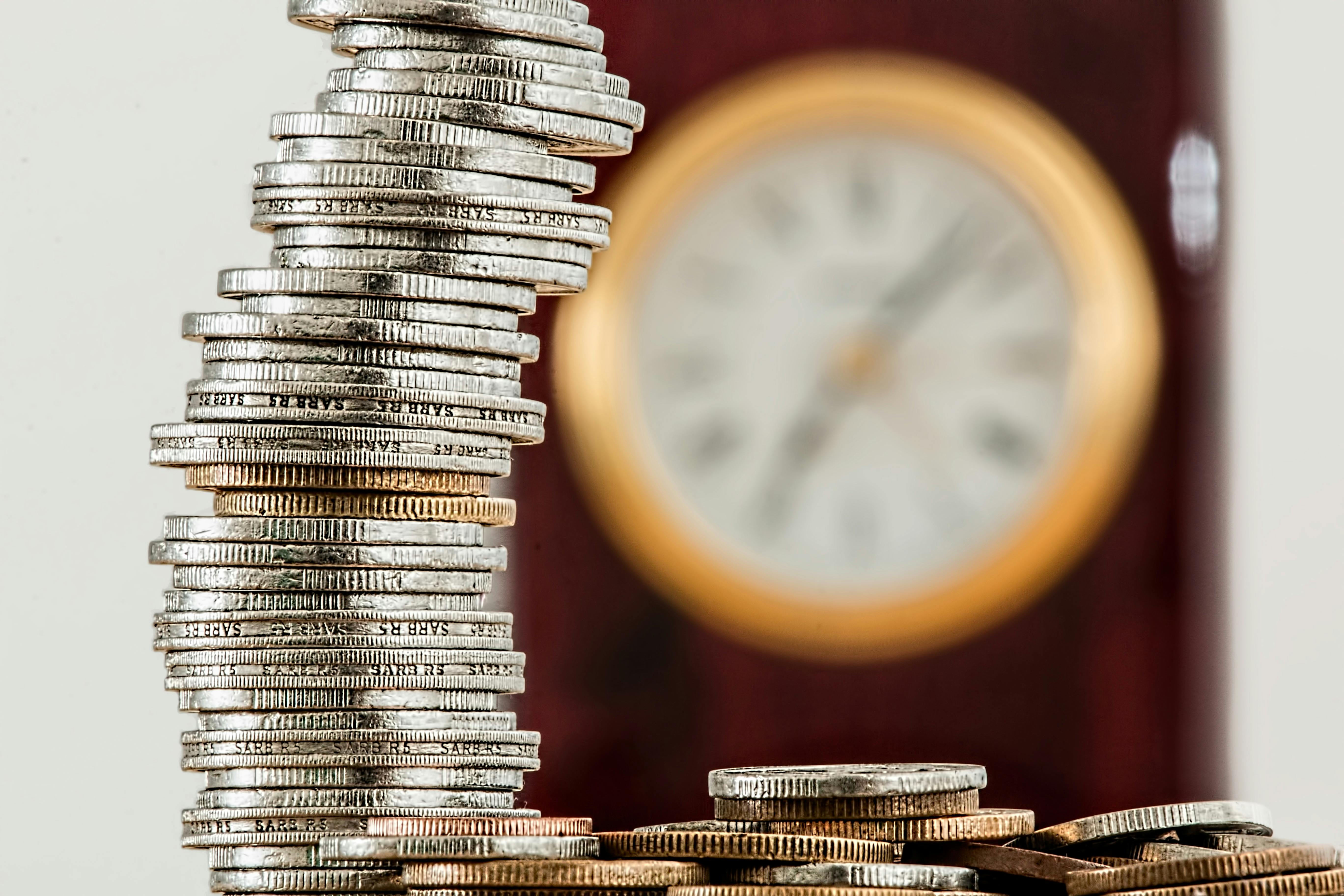
LifeAlbert Einstein has been credited with saying, “Compound interest is the eighth wonder of the world.” Whether he actually said it doesn't really matter—but is it true? And what was he really talking about?
Most people assume he meant money. And sure, that's the obvious answer. But what if he was thinking about something bigger?
The Dual Nature of Interest
Here's something curious: the word interest means two completely different things. It describes both the accumulation of value over time AND the quality of being fascinating, of capturing attention. Maybe that's not a coincidence.
In my previous post about momentum, I explored how small, uninterrupted actions compound into something powerful—like Newton's cradle, where motion perpetuates itself. But here's where things get interesting: not all compound interest requires continuous motion. Sometimes things grow while you're not even touching them.
Money in a savings account grows while you sleep. A good idea gains power over time even when you're not actively working on it. Your reputation—built through years of consistent character—compounds just by existing. These things generate returns without constant effort.
And they're also interesting in the attention sense—they draw people in, they matter, they gain relevance. So what makes something interesting enough to compound?
Building on Ideas
Not everything accumulates interest at the same rate. Some investments—whether money, attention, or thought—are just more interesting than others.
When you place one solid concept on top of another solid concept, and another on top of that, you're creating a framework that becomes self-reinforcing. Each concept supports the others, and the whole thing becomes more interesting than its parts. It gains attention. It becomes more relevant. It compounds.
This works for relationships too. When two people build a friendship on layers of shared experience and trust, that relationship gains interest over time. It becomes more valuable and more resilient. Each interaction builds on the last.
Everyone Is Compounding
And here's where mutual respect comes in—because everyone you meet is a product of compound interest.
Every person is the accumulated result of thousands of days of experiences, decisions, relationships, and ideas building on each other. Their childhood builds into adolescence builds into adulthood. Their education combines with their failures, combines with their victories. Every conversation, every book, every setback—it all compounds into who they are right now.
When you really get this, respect stops being just a nice thing to do. It's acknowledging reality. You're respecting not just a person in a moment, but the entire compounded sum of their life.
That's why judging someone based on a single interaction makes no sense. It's like checking a bank account on one random day and assuming you know everything about someone's financial history. You're missing the compound effect of everything that came before.
What Makes Something Interesting?
So what makes something—or someone—interesting enough to accumulate this kind of power?
Here's the thing: everything is interesting, but not to everyone. What fascinates a physicist might bore a poet, and vice versa. Interest is subjective.
But once you've identified your field of interest—your area, your thing—something happens. The concepts, people, and ideas that align with it start to reveal themselves. They find you, and you find them. And when you invest attention there, when you build one interesting thing on top of another, the compounding begins.
You don't have to force it. You just have to be genuinely interested in your chosen area. The interest accumulates on its own.
When Interruptions Don't Matter
Here's how this differs from the momentum idea: unlike physical momentum, which needs continuous motion, conceptual and relational interest can compound even through interruptions.
You can set down an idea for months, and when you come back to it, it's actually gained depth. Your subconscious has been working on it, the world has changed around it, and you've had new experiences that enrich it. You can reconnect with an old friend after years, and if the foundation was solid, the relationship picks up at a higher level. You've both grown separately, and that actually adds to what you have together.
Money works this way too. Ignore your investment account for ten years, and the interest compounds whether you're paying attention or not.
The Dark Side of Compound Interest
But here's the uncomfortable truth: compound interest doesn't care what you're compounding. It's completely neutral. It amplifies whatever you feed it.
If you're interested in envy, you'll get better at it over time. Each day of comparing yourself to others builds on the last. You'll notice more things to envy. You'll develop keener eyes for what you lack. You'll refine your bitterness into an art form. The interest compounds.
If you're interested in criticism and nitpicking, you'll develop an expert eye for flaws. You'll get better at spotting what's wrong instead of what's right. Nothing will ever be quite good enough. You'll train yourself to see the crack in every foundation, the flaw in every plan, the weakness in every person. The interest compounds.
If you're interested in resentment, you'll accumulate that too. Each slight, each perceived injustice, each grudge builds into a towering structure of anger. You'll get better at holding onto pain. You'll become an expert at cataloguing wrongs. The compound interest will make you a master.
If you're interested in gossip, in complaint, in victimhood, in shortcuts, in cutting corners—you'll compound those too. Practice makes perfect, after all. And every day you practice something, you're getting better at it, building on what came before.
The same mechanism that can make you wealthy can make you miserable. The same process that can build wisdom can build delusion. Compound interest is a force, not a judgment.
Roads Only Go Where They Go
Roads only go where they go.
If you're on the road to bitterness, that road doesn't suddenly veer off toward contentment. If you're on the path of self-deception, it doesn't magically redirect to self-awareness. The destination is built into the direction.
This is why your field of interest matters so much. Not just because it determines what you'll accumulate, but because it determines who you'll become. Every day you travel further down your chosen road, the compounding effect makes it harder to turn around. Not impossible—never impossible—but harder.
The person who spends years compounding their capacity for gratitude becomes fundamentally different from the person who spends years compounding their capacity for grievance. Same mechanism. Same amount of time. Completely different destinations.
And you can see this in people, can't you? You can meet someone and sense immediately what they've been compounding. The cynic who's been practicing cynicism for decades has a different texture than the optimist who's been practicing optimism. The person who's been compounding curiosity feels different from the person who's been compounding judgment.
The Choice
So if you're interested in self-development, in growth, in becoming more capable, more compassionate, more understanding—you'll get better at those things over time. Each small act of discipline builds on the last. Each moment of choosing growth over comfort compounds into a life of expansion.
But you have to actually be interested. Not just say you're interested. Actually find it fascinating. Actually pay attention to it. Because remember—interest compounds, but only if it's genuine.
You can't fake compound interest. You can't trick the mechanism. Whatever truly captures your attention, whatever you're actually interested in—that's what will grow.
The Eighth Wonder
So was Einstein right? Is compound interest the eighth wonder of the world?
Maybe the real insight is that everything compounds. Your actions, your ideas, your relationships, your character, your respect for others, your resentments, your joys, your fears—it all accumulates over time in ways you can see and ways you can't.
You're always earning interest on something. The question isn't whether you're compounding. You are. Everyone is.
The questions are: What are you compounding? Is it interesting? And where does that road go?
Because roads only go where they go.
Oct. 29, 2025, 6:07 a.m.
Published bY CYril